Item addedItem updatedItem removedNo more products on stockYou entered wrong value.
No products in the cart.
Gas BBQ: Everything You Need to Know Before Buying
Gas BBQ: Everything You Need to Know Before Buying
Choosing a gas BBQ buyers can rely on involves more than comparing prices and cooking surface sizes. A good gas barbecue should suit the way you cook, the number of people you usually serve, the space available at home and the amount of maintenance you are prepared to do.
Gas BBQs are popular because they offer convenient ignition, controllable heat and relatively quick preparation. However, models can differ significantly in burner design, materials, heat distribution, cooking surfaces and additional features. Understanding these differences can make it easier to compare a barbecue grill before making a purchase.
Whether you are replacing an older barbecue, setting up an outdoor kitchen or comparing premium BBQ grills has available, the following guide explains what to look for.
Why Choose a Gas BBQ?
A gas BBQ is designed for people who want direct control over cooking temperature without the preparation associated with charcoal. Once the burners are operating, you can adjust the heat to suit different foods and cooking methods.
For many households, this makes gas barbecue cooking practical for everything from quick weeknight meals to larger weekend gatherings.
Another advantage is flexibility. Depending on the model, a gas BBQ can support high-temperature grilling, roasting and slower indirect cooking. Larger units may also provide multiple cooking zones, allowing different foods to be prepared at different temperatures.
The key is not simply choosing the largest barbecue available. Instead, consider how you actually cook and which features will make a meaningful difference.
Understanding Gas BBQ Burner Types
Burners are one of the most important components of any gas barbecue. They influence how heat is distributed across the cooking surface and how effectively you can create different temperature zones.
Single-Burner BBQs
Single-burner designs are generally compact and straightforward. They can work well where space is limited or where the barbecue is mainly used for smaller meals.
The limitation is temperature control. With one primary burner, creating separate hot and cooler cooking zones can be more difficult.
Two-Burner BBQs
A two-burner configuration provides more flexibility. You can use both burners for direct cooking or turn one down or off to create a cooler zone.
This arrangement is useful when cooking different foods simultaneously or when you want to move food away from direct heat during cooking.
Three-Burner BBQs
Three burners provide a useful balance between cooking capacity and temperature control. They can create multiple heat zones and are suitable for households that regularly cook several types of food at once.
Some premium ranges, including the Weber Genesis range, are available in three-burner configurations. Current models listed by Heat & Grill include several Genesis three-burner options.
Four-Burner and Larger BBQs
Four-burner BBQs are better suited to larger households or people who frequently entertain. The additional burners can provide greater control over direct and indirect cooking.
However, a larger BBQ also requires more physical space. Before buying, measure the area where the unit will sit and allow enough room around it for safe operation and practical access.
Look at Heat Distribution, Not Just Burner Count
A common mistake when comparing a gas BBQ model is to focus only on the number of burners.
Burner count matters, but heat distribution matters just as much. A well-designed barbecue should distribute heat effectively across the cooking area rather than creating extreme hot and cold spots.
Consider how easily the BBQ allows you to:
Create separate cooking zones
Sear food at higher temperatures
Move food away from direct heat
Maintain a consistent temperature
Cook different foods at the same time
Premium systems may also include dedicated searing areas. For example, the Weber Genesis range available through Heat & Grill includes models featuring a dedicated Sear Zone.
Cooking Surfaces and Materials Matter
The cooking surface has a direct impact on how a BBQ performs and how much maintenance it requires.
Common cooking surfaces include stainless steel grates, cast iron-style surfaces, porcelain-enamelled components and solid griddle surfaces. Each has different characteristics.
Stainless Steel Cooking Grates
Stainless steel is commonly selected for its resistance to corrosion and relatively straightforward cleaning. It can also provide a durable cooking surface when properly maintained.
If you are comparing a Weber Genesis stainless grill, examine the complete construction rather than judging the BBQ solely by the appearance of the cooking grates.
Griddle Cooking Surfaces
A griddle provides a different cooking experience from traditional open grates. It offers a broad, flat surface that works well for foods such as eggs, vegetables, burgers, seafood and smaller ingredients that might otherwise fall through grill gaps.
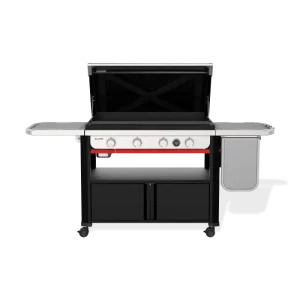
The Weber Slate Griddle range is an example of a dedicated griddle-style BBQ option. Buyers researching Weber Slate options should consider whether a flat cooking surface suits their usual meals.
Accessories also expand what can be prepared. When comparing Weber Slate accessories, consider the foods you want to cook rather than buying accessories simply because they are available.
Porcelain-Enamelled Components
Porcelain-enamelled surfaces can be useful for heat retention and resistance to certain types of wear. They should still be cleaned according to the manufacturer's instructions to avoid unnecessary damage.
Stainless Steel: What Should You Look For?
Stainless steel is frequently used in premium BBQ construction because it can offer durability and resistance to outdoor conditions.
However, not all stainless steel components perform identically. When comparing a BBQ, look at where stainless steel is used and whether other materials are present in the frame, hood, burners and internal components.
For an outdoor BBQ, construction quality becomes particularly important because the unit may be exposed to rain, humidity, dust, temperature changes and coastal air.
A suitable cover can also help reduce exposure when the BBQ is not being used.
What Cooking Performance Should You Expect?
Cooking performance is about more than maximum heat.
A good barbecue grill should provide controlled heat that can be adjusted for different cooking styles. High heat is useful for searing, while lower and indirect heat can be useful for roasting or cooking thicker cuts gradually.
When assessing a BBQ, think about these four areas:
Preheating
A BBQ should reach its intended cooking temperature efficiently. Allowing the cooking surface to preheat properly can improve browning and reduce sticking.
Temperature Control
Individual burner controls allow you to adjust heat according to the food being prepared. This becomes especially useful when cooking several dishes.
Heat Retention
The hood, cooking surface and overall construction influence how consistently the BBQ maintains temperature.
Indirect Cooking
Multiple burners make it easier to position food away from direct flame. This can be useful for larger cuts, roasting and foods that require longer cooking times.
Features Australian Buyers Should Prioritise
Not every feature deserves equal weight when choosing a BBQ. Start with the features that affect everyday cooking.
A practical buying checklist includes:
Burner configuration and independent controls
Cooking area and usable preparation space
Quality of the cooking surface
Ease of cleaning
Construction materials
Availability of replacement parts
Suitable cover and storage options
Side shelves or preparation areas
Built-in or outdoor-kitchen compatibility where required
Smart features can be useful, but they should not replace the fundamentals of good construction and heat control.
For example, selected Weber Genesis models offer Weber Connect technology, which can provide temperature information and alerts through connected cooking technology.
Do You Need a Weber Griddle?
A Weber griddle can be worth considering if your cooking style goes beyond traditional steaks and sausages.
A flat griddle surface can make it easier to cook breakfast foods, burgers, vegetables and delicate ingredients. It can also provide a different searing surface from conventional grill grates.
If you are researching whether to buy Weber Slate, think about the proportion of your meals that would benefit from a dedicated flat cooking surface. For someone who mainly cooks steaks and larger cuts, traditional grill grates may remain more useful.
For households that regularly prepare mixed meals, a combination of grilling and griddle-style cooking can provide greater versatility.
Weber Genesis, Spirit and Other BBQ Options
The Weber barbecue range includes different configurations designed for different cooking requirements. The right option depends on the space, capacity and cooking style you need.
People searching for Weber Genesis products may be comparing larger premium gas BBQs with multiple burners, while others may prefer a more compact configuration.
The Genesis range currently includes three-burner and four-burner models, with different equipment and feature levels across the range.
For larger outdoor cooking setups, buyers may also investigate the Weber Summit barbecue range or built-in configurations.
The important point is to compare models according to actual requirements rather than choosing a particular range simply because it is positioned higher in a product line.
Built-In BBQs for Outdoor Kitchens
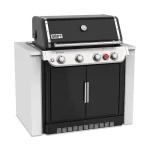
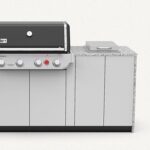
A freestanding BBQ is not the only option. If you are designing a permanent entertaining area, a built in Weber BBQ can form part of a larger outdoor kitchen.
Built-in configurations are designed to integrate with cabinetry and other outdoor-kitchen components. Heat & Grill's current range includes Weber built-in barbecues as well as related outdoor kitchen categories.
A built-in setup requires more planning than purchasing a freestanding barbecue. Measurements, ventilation, cabinetry, gas connections and installation requirements should all be considered before purchasing.
If your long-term goal is a Weber grill outdoor kitchen, plan the entire space rather than selecting the BBQ first and attempting to fit the surrounding components later.
Gas BBQ Maintenance: What Should You Expect?
Regular maintenance helps keep a gas barbecue functioning properly and can make cleaning easier.
After cooking, allow the BBQ to run according to the manufacturer's recommended cleaning procedure. Remove food residue from the cooking surface and empty or clean grease-management components as required.
The cooking grates should receive regular attention because accumulated grease and food particles can affect cooking performance.
A deeper clean should also include the interior surfaces, burner area and grease collection system. Always follow the manufacturer's maintenance instructions, particularly when cleaning burners or internal gas components.
Protect the BBQ Between Uses
A properly fitted BBQ cover can help reduce exposure to the elements. However, the BBQ should be clean and dry before being covered, and the cover should be used according to the manufacturer's guidance.
Useful Accessories for Better BBQ Cooking
Accessories should solve a practical problem rather than simply add to the equipment list.
For example, a quality meat thermometer can help you check internal food temperature without repeatedly cutting into meat.
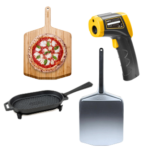
The Thermapen One digital thermometer is one example of a cooking thermometer available through Heat & Grill. The site also categorises thermometers alongside other BBQ cooking accessories.
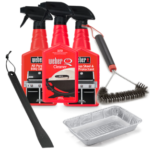
Other useful accessories can include cooking utensils, cleaning equipment, covers, drip pans and replacement parts. When researching Weber BBQ accessories options, make sure the accessory is compatible with your specific BBQ model.
This is particularly important with model-specific accessories such as Weber Slate accessories, Weber Q accessories and other specialised cooking components.
Buying From a BBQ Shop
When comparing a BBQ shop buyers can use for research and purchasing, look beyond the number of products listed online.
Check whether the retailer offers the product categories, accessories and replacement components you may need later. A broad range can make it easier to maintain the same BBQ over time.
Heat & Grill's current range includes Weber BBQs, accessories, cooking equipment, built-in BBQs and outdoor-kitchen products. It also has physical locations including Richmond and Melbourne.
For buyers searching for Weber BBQ stores, local availability can also be useful when you want to see a BBQ in person before purchasing.
If you are comparing Weber accessories Melbourne options or looking for Weber accessories in Richmond, checking product compatibility before visiting or ordering can save time.
Conclusion
Choosing the right gas BBQ is an important decision for creating enjoyable outdoor meals. Consider factors such as cooking space, burner configuration, heat control, build quality and maintenance before making your choice. Whether you need a compact BBQ for everyday grilling or a larger model for entertaining, selecting one that matches your cooking style and outdoor space will provide better long-term value.
If you are comparing Weber BBQ options, accessories, griddles, thermometers or outdoor kitchen equipment, Heat & Grill offers a range of products to help you create a practical and enjoyable outdoor cooking setup.
Frequently Asked Questions
What is the best gas BBQ in Australia?
There is no single best gas BBQ for every household. The right choice depends on cooking capacity, burner configuration, available space, construction, cooking surface and budget. A smaller BBQ may be more practical for limited spaces, while a larger multi-burner model can suit frequent entertaining.
How many burners should a gas BBQ have?
Two burners can provide useful flexibility for smaller households, while three or four burners can offer more cooking zones and greater capacity. Choose according to the amount and type of food you normally prepare.
Is a gas barbecue better than charcoal?
Gas and charcoal offer different cooking experiences. Gas provides convenient ignition and precise burner control, while charcoal is often chosen by people who specifically enjoy charcoal-based cooking. Your preferred cooking style should determine which is more suitable.
Are stainless steel BBQs worth considering?
Stainless steel can be a practical choice for outdoor cooking equipment because of its durability and resistance to corrosion. However, buyers should assess the overall construction rather than judging a BBQ based only on its stainless steel appearance.
Is a griddle useful on a gas BBQ?
Yes, particularly if you cook foods such as eggs, burgers, vegetables, seafood or smaller ingredients. A griddle provides a flat cooking surface that complements traditional grill grates.