Item addedItem updatedItem removedNo more products on stockYou entered wrong value.
No products in the cart.
Freestanding vs Built-In Gas BBQs: Which Should You Choose?
Freestanding vs Built-In Gas BBQs: Which Should You Choose?
Choosing the right gas BBQ is about more than cooking performance. The way a barbecue is installed can affect how you use your outdoor area, how much flexibility you have later, and how easily the appliance fits into your lifestyle.
The two most common options are a freestanding BBQ and a built in BBQ. Both can provide reliable gas-powered cooking, but they suit different types of outdoor spaces and installation plans. A freestanding model offers mobility and a simpler setup, while a built-in model is designed to become part of an outdoor kitchen or fixed entertaining area.
If you are comparing an outdoor BBQ for a patio, balcony, backyard or dedicated outdoor kitchen, understanding these differences can help you make a more informed decision.
Freestanding BBQ vs Built In BBQ: What Is the Difference?
The main difference is how the barbecue becomes part of your outdoor space.
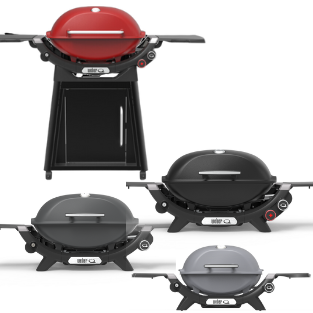
A freestanding BBQ is a complete cooking unit that normally includes its own cabinet, stand, trolley or base. It can be positioned on a suitable outdoor surface and, depending on the model and gas connection, moved when required.
A built in BBQ, on the other hand, is designed to be installed into a purpose-built benchtop, cabinet or outdoor kitchen structure. The barbecue becomes a permanent part of the space rather than functioning as a standalone appliance.
The choice is therefore less about which style is universally better and more about how you plan to use your outdoor cooking area.
Freestanding BBQ: Flexibility and Practicality
For many households, a freestanding BBQ is the straightforward choice because it does not require a permanent outdoor kitchen structure.
A freestanding design can work well when you want your barbecue to remain independent from the rest of your patio or backyard. It can also be a practical option for renters, homeowners who may renovate later, or anyone who wants to change the layout of an outdoor entertaining area.
Easier Installation
One of the biggest advantages of a freestanding BBQ is the relatively simple installation process.
The appliance arrives as a complete cooking unit, although some assembly may be required. You still need to follow the manufacturer's requirements for positioning, ventilation, clearances and gas connections, but you generally do not need to build a permanent benchtop around the barbecue.
This makes freestanding models useful when you want to start cooking without committing to a full outdoor kitchen project.
More Flexible Placement
Outdoor areas can change over time. You may move your dining table, add outdoor furniture or redesign a patio.
A freestanding barbecue gives you greater flexibility because its position is not permanently determined by cabinetry.
For example, you may place it near your entertaining area when hosting guests and move it to another suitable location when you need additional space. Always check the manufacturer's instructions before moving or repositioning a gas appliance.
Suitable for Different Outdoor Spaces
A freestanding BBQ can suit a wide range of layouts, including larger backyards, patios and compact entertaining areas where a permanent kitchen would take up too much room.
It can also be easier to work around existing structures because you are not designing the entire area around the barbecue.
For smaller outdoor spaces, however, dimensions still matter. Measure the available area carefully and account for the barbecue's full footprint, lid clearance and required safety distances.
Built In BBQ: Designed for a Permanent Outdoor Kitchen
A built in BBQ takes a different approach. Instead of treating the barbecue as a standalone appliance, it becomes one component of a larger outdoor cooking environment.
This setup is particularly suitable for homeowners who are designing or renovating an outdoor kitchen.
A More Integrated Layout
A built in BBQ can sit within a benchtop alongside preparation surfaces, storage, refrigeration and other outdoor kitchen components.
This arrangement can make the cooking area feel more organised because food preparation, cooking and serving can take place within one defined zone.
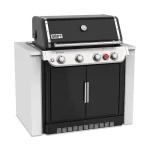
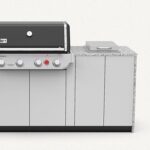
Heat & Grill's current built-in range includes Weber Q Built-In, Genesis Built-In and Summit Built-In options, demonstrating the different sizes and configurations available for permanent outdoor cooking areas.
Installation Requires More Planning
The trade-off for an integrated design is that installation requires more planning.
Before purchasing a built in BBQ, you need to consider the dimensions of the barbecue, the cut-out requirements, benchtop construction, ventilation, gas supply and surrounding clearances.
The exact requirements vary between models, so the manufacturer's installation documentation should be checked before construction begins.
A built in BBQ should not simply be treated as a freestanding unit with the trolley removed. It needs to be a model specifically designed for built-in installation.
Better Suited to Outdoor Kitchen Projects
If you are already planning an outdoor kitchen, a built in BBQ can make sense because the appliance can be selected as part of the overall design.
The surrounding cabinetry and benchtops can be planned around the barbecue's dimensions. This allows the cooking station to become a central part of the outdoor area rather than an appliance positioned beside it.
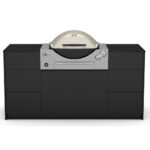
Heat & Grill also lists outdoor kitchens alongside its built-in BBQ range, including Weber outdoor kitchen options.
Installation Requirements Compared
Installation is one of the most important differences between freestanding and built-in gas BBQs.
A freestanding model generally requires a stable, suitable surface and appropriate clearance around the appliance. The gas connection must also comply with the relevant requirements for the appliance and installation.
A built in BBQ requires considerably more preparation because the surrounding structure needs to accommodate the appliance safely.
Before installation, consider:
Available space and required clearances
Gas type and connection
Ventilation requirements
Benchtop and cabinet dimensions
Access for servicing and maintenance
Manufacturer installation instructions
Gas appliances should be installed and connected in accordance with applicable Australian requirements and by appropriately qualified professionals where required.
The installation stage is therefore an important factor when comparing the overall practicality of each design.
Flexibility: Which BBQ Gives You More Options?
If flexibility is your priority, a freestanding BBQ has a clear advantage.
Because it operates as a standalone unit, you have more freedom to change the arrangement of your outdoor area. You can also replace the barbecue without redesigning an entire outdoor kitchen.
A built in BBQ is less flexible once installed. Moving it can involve modifying cabinetry, benchtops, gas connections and other parts of the outdoor kitchen.
However, reduced flexibility can be an advantage if you want consistency. A permanent cooking station can give an outdoor area a defined layout that does not need to be rearranged every time you cook.
Durability and Materials
Durability depends more on the construction quality, materials, maintenance and exposure conditions than simply whether a BBQ is freestanding or built in.
A stainless steel BBQ is often considered when outdoor durability and ease of cleaning are priorities. Stainless steel can provide a practical surface for an outdoor appliance, although the grade and finish matter.
Outdoor conditions can expose a barbecue to rain, humidity, dust, heat and temperature changes. Even a well-constructed stainless steel BBQ benefits from regular cleaning and appropriate protection.
A cover can help reduce exposure when the appliance is not being used, while routine cleaning can help prevent grease accumulation and surface deterioration.
For either configuration, consider the environment where the barbecue will be installed. A sheltered patio and an exposed coastal location can place very different demands on outdoor equipment.
Freestanding BBQ vs Built In BBQ: Cost Considerations
The purchase price is only one part of the overall cost.
A freestanding BBQ can be simpler to budget for because the barbecue and its supporting structure are generally contained within the appliance itself.
With a built in BBQ, you may also need to account for the outdoor kitchen structure, benchtops, cabinetry, gas installation, ventilation and other components.
This does not automatically make a built-in setup the wrong choice. If you already intend to build an outdoor kitchen, the barbecue is simply one element of the wider project.
The better comparison is therefore the total cost of the complete setup rather than the price of the BBQ alone.
Which Option Works Best for Your Outdoor Space?
The size and design of your outdoor area should influence the decision.
Small Patios and Compact Areas
A freestanding BBQ can be practical for a smaller patio because it does not require a permanent kitchen structure.
You can select a model that fits the available footprint while retaining some flexibility around the rest of the area.
However, compact spaces require careful attention to safety clearances and ventilation. Never choose a location solely because the BBQ physically fits.
Large Backyards
A larger backyard provides more possibilities.
If you frequently move furniture around, entertain in different parts of the yard or want flexibility for future changes, a freestanding model can remain practical.
If you have a dedicated entertaining zone, a built-in setup may provide a more permanent cooking station.
Outdoor Kitchens
For a purpose-built outdoor kitchen, a built in BBQ is usually the more natural fit.
The barbecue can be positioned alongside preparation areas and other outdoor kitchen components. This creates a fixed workflow that can be planned around the way you cook.
Gas Type and Fuel Planning
Gas supply should also be considered before making a decision.
Some gas BBQs are designed for LPG, while others are available in natural gas configurations. Certain product ranges may offer different gas options, so it is important to confirm compatibility before purchase.
Heat & Grill's built-in range, for example, includes Weber models available in both LPG and natural gas configurations, depending on the model.
If you are planning a new outdoor kitchen, deciding on the gas supply early can prevent costly changes later.
Accessories and Cooking Equipment
Your barbecue setup does not end with the appliance itself.
Accessories can influence how practical the cooking station becomes. Depending on your cooking style, useful additions may include covers, cleaning equipment, cooking tools, hotplates, replacement parts and thermometers.
For temperature-sensitive cooking, a digital cooking thermometer can also be useful. Heat & Grill carries cooking equipment and thermometer products alongside its BBQ ranges, while its broader catalogue includes Weber accessories and care products.
For people considering a Weber setup, related searches may include weber bbq accessories australia, weber bbq australia, bbq grills australia, bbq shop australia and weber bbq stores.
These searches can be useful when comparing the barbecue itself with the accessories and replacement equipment needed for long-term use.
What About Weber Gas BBQ Options?
Weber offers both freestanding and built-in gas barbecue configurations, making the brand relevant when comparing the two installation styles.
Its premium gas range includes families such as Spirit, Genesis and Summit, while its built-in range includes Q, Genesis and Summit options.
For shoppers researching specific models, terms such as weber genesis australia, weber genesis bbq, weber genesis stainless grill and weber barbecue range may appear during the comparison process.
The right model still depends on the space available, fuel type, cooking requirements and intended installation.
How to Choose the Right Gas BBQ
The easiest way to decide is to start with your outdoor space rather than the barbecue itself.
Ask yourself how permanent you want the cooking area to be. If you are furnishing a patio and want flexibility, a freestanding BBQ may be the more practical option.
If you are building an outdoor kitchen and already know where the cooking station will be located, a built in BBQ may make better sense.
Also consider how often you entertain, how much preparation space you need, whether you have an existing gas connection and whether you expect to redesign the area in the future.
There is no universal winner. The best configuration is the one that works with your space and installation plans.
Conclusion: Freestanding or Built In BBQ?
The choice between a freestanding BBQ and a built in BBQ ultimately comes down to how you use your outdoor space.
A freestanding model is generally the better fit when flexibility, simpler installation and the ability to change your layout are important. It can work well for patios, backyards and outdoor entertaining areas where a permanent kitchen is not necessary.
A built in BBQ makes more sense when you are creating a dedicated outdoor kitchen and want the barbecue to form part of a permanent cooking and entertaining area. It requires more planning, but it can provide a cohesive layout with integrated preparation and storage space.
Before making a decision, compare the available space, installation requirements, gas supply, materials and long-term plans for your outdoor area.
For homeowners comparing Weber BBQs, built-in cooking systems, accessories and outdoor kitchen options, Heat & Grill provides a range of barbecue and outdoor cooking products, including Weber BBQs, built-in BBQs, outdoor kitchens and BBQ accessories.
Frequently Asked Questions
Is a freestanding BBQ better than a built in BBQ?
Neither option is automatically better. A freestanding BBQ offers greater flexibility and usually requires less surrounding construction, while a built in BBQ is better suited to a permanent outdoor kitchen.
Can a freestanding BBQ be converted into a built in BBQ?
Not necessarily. Only models specifically designed and approved for built-in installation should be installed in a built-in configuration. Always check the manufacturer's installation requirements.
Is a built in BBQ more durable?
Not inherently. Durability depends on materials, construction, maintenance and exposure to outdoor conditions. A well-maintained freestanding or built-in BBQ can provide long-term service.
Does a built in BBQ require professional installation?
Gas and structural installation requirements vary depending on the appliance and location. Gas connections should comply with applicable Australian requirements, and qualified professionals should be used where required.
What is the best BBQ for a small patio?
A suitably sized freestanding BBQ can be a practical choice for a small patio because it does not require a permanent outdoor kitchen structure. However, required clearances must always be considered.